Hiring a roofing contractor is a major decision. Your roof protects your home, belongings, and family, so it is important to look beyond the lowest estimate. Before signing a contract, ask questions that reveal whether a roofer is experienced, properly qualified, and prepared to stand behind the work.
At KRC Roofing and Construction, we have served Kentucky homeowners, commercial properties, and property managers for nine years. Our team brings more than 20 years of combined roofing experience across residential and commercial projects. We install shingle, standing seam metal, TPO, EPDM, and roof coating systems.
1. How long have you been in business?
Ask how long the company has been operating and whether it has an established local presence. A roofing warranty is only as valuable as the contractor's ability to be there if you need support after the work is complete.
Look for a staffed office, a dedicated project manager, and examples of completed projects. These are signs that a contractor has systems in place to manage your project and answer questions after installation.
2. Are you certified by roofing manufacturers?
Manufacturer certification can indicate that a roofer has met specific training and installation requirements. It may also make extended manufacturer warranty options available.
Ask which brands the contractor is certified to install and whether they can register an extended warranty for your project. KRC Roofing and Construction is certified with:
- Owens Corning
- CertainTeed
- GAF
- Malarkey
- Versico
We are also members of the National Roofing Contractors Association.
3. Why is your estimate lower than another contractor's?
A low estimate is not always a better value. Pricing that is well below standard industry rates may mean the contractor plans to cut corners through lower-quality materials, inexperienced labor, or skipped installation steps.
Ask every contractor to explain exactly what is included. You should understand the materials, labor, tear-off process, flashing, underlayment, cleanup, warranty, and any possible additional costs before you compare bids.
4. Does your scope include a complete tear-off and deck inspection?
Ask what will be removed before the new roofing system is installed. A thorough scope should explain whether old shingles, underlayment, and other roofing materials will be removed so the decking can be inspected.
One common shortcut is removing shingles but installing new felt over the existing felt. This can conceal damaged decking and prevent problems from being addressed before the new roof goes on.
5. How will you handle low-slope areas and special roof details?
Different sections of a roof often require different installation methods. Low-slope areas, valleys, flashing, penetrations, and transitions need the correct materials and preparation to perform properly.
KRC Roofing and Construction has corrected projects where a newly installed low-slope roof began leaking shortly after installation because the prior contractor did not use the proper underlayment. The homeowner could not get that contractor to return, and the new roof had to be redone so it could meet code.
6. Are you in good standing with Kentucky and properly insured?
Confirm that the contractor is in good standing with the State of Kentucky. Ask for proof of insurance and ask how the company follows local building-code requirements.
A reputable contractor should be able to answer these questions clearly and provide documentation before work begins. You can also ask whether they belong to professional organizations, such as the National Roofing Contractors Association.
7. What warranty do you provide, and will it be in writing?
Get warranty terms in writing. A workmanship warranty covers problems related to installation, such as leaks or performance issues caused by improper work. A manufacturer warranty covers defects in the roofing materials, such as premature failure or delamination.
KRC Roofing and Construction provides a 10-year workmanship warranty that is clearly outlined in our terms and conditions. We also offer registered extended manufacturer warranties when available. Storm damage and other acts of God are generally excluded from warranty coverage.
8. Who will oversee the project and communicate with me?
Ask who your point of contact will be before, during, and after the installation. A dedicated project manager helps coordinate the crew, answer questions, and communicate about weather delays, decking repairs, or changes to the original scope.
Clear communication helps prevent surprises and gives homeowners confidence throughout the process.
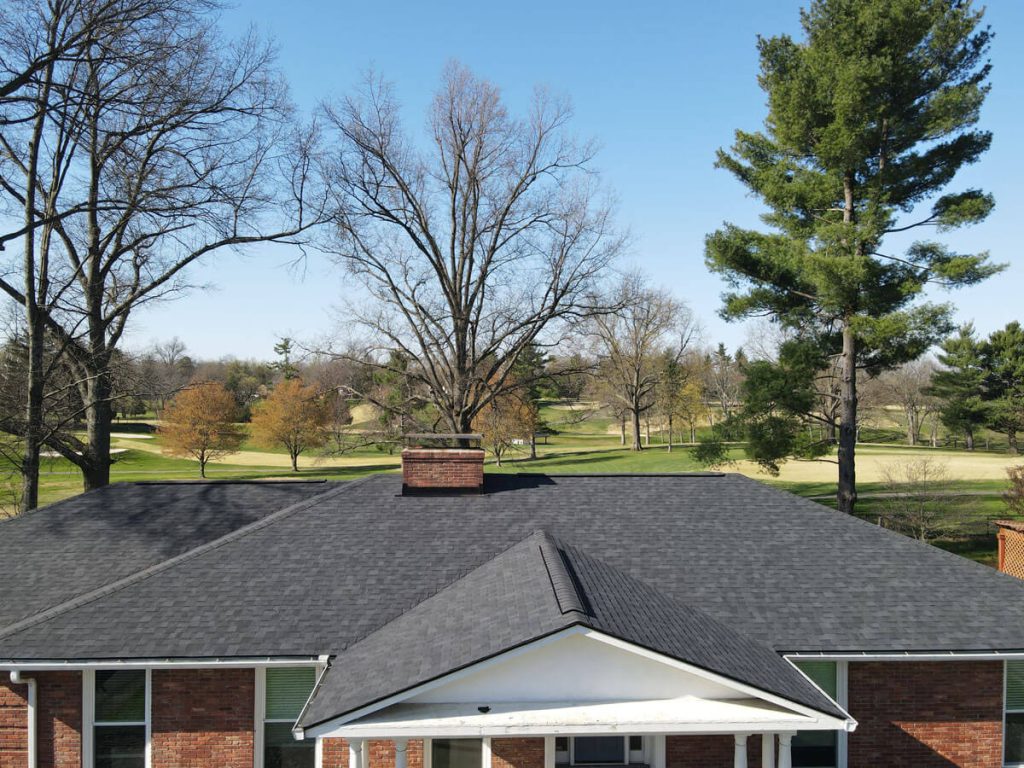
9. How will you protect my property and clean up?
Discuss project logistics before work starts. Ask about landscaping protection, working hours, driveway and backyard access, locked gates, satellite dishes, pets, young children, and any HOA or neighborhood requirements.
You should also confirm that the crew will clean up at the end of each workday and use magnetic nail sweeps after the project is complete.
10. Why do you recommend this roofing material?
Ask the contractor to explain why a specific roofing system is right for your property. Whether you are considering shingles, standing seam metal, TPO, EPDM, or a roof coating, the contractor should explain the benefits and limitations of each option.
A knowledgeable roofing professional should provide manufacturer documentation, discuss the pros and cons, and help you compare options so you can make an informed decision.
Choose Experience, Quality, and Accountability
Before signing a roofing contract, choose an established company with a proven local presence, manufacturer certifications, clear written warranties, and a detailed installation plan. KRC Roofing and Construction combines nine years as an established Kentucky roofing company with more than 20 years of combined roofing experience, certified installation expertise, and responsive project support.
Frequently Asked Questions
Is KRC Roofing and Construction manufacturer certified?
Yes. KRC Roofing and Construction is certified with Owens Corning, CertainTeed, GAF, Malarkey, and Versico, and we are members of the National Roofing Contractors Association.
What warranty does KRC offer?
We provide a 10-year workmanship warranty that is clearly outlined in our terms and conditions, and we offer registered extended manufacturer warranties when available. Storm damage and other acts of God are generally excluded from warranty coverage.
What is the difference between a workmanship warranty and a manufacturer warranty?
A workmanship warranty covers problems related to installation, such as leaks or performance issues caused by improper work. A manufacturer warranty covers defects in the roofing materials, such as premature failure or delamination.
Should I just choose the lowest roofing estimate?
Not necessarily. Pricing well below standard industry rates may mean lower-quality materials, inexperienced labor, or skipped installation steps. Compare what each bid includes: materials, labor, tear-off, flashing, underlayment, cleanup, warranty, and possible additional costs.
Why does a complete tear-off matter?
Removing the old shingles, underlayment, and other roofing materials lets the crew inspect the decking. Installing new felt over existing felt can conceal damaged decking and prevent problems from being fixed before the new roof goes on.
How long has KRC Roofing and Construction been in business?
KRC Roofing and Construction has served Kentucky homeowners, commercial properties, and property managers for nine years, and our team brings more than 20 years of combined roofing experience.